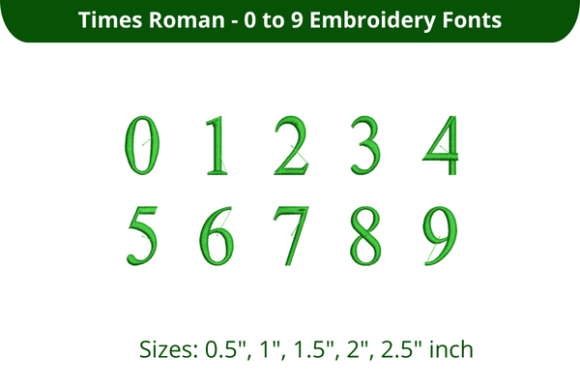
Times Roman Font 0-9
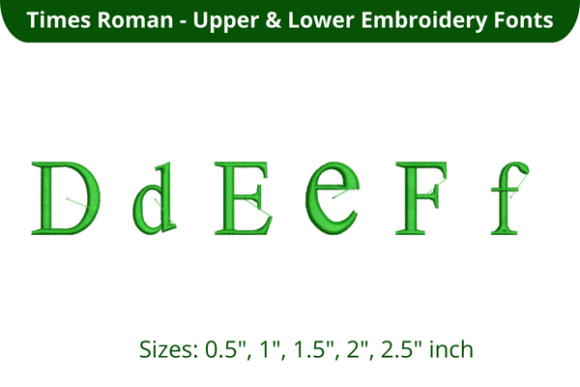
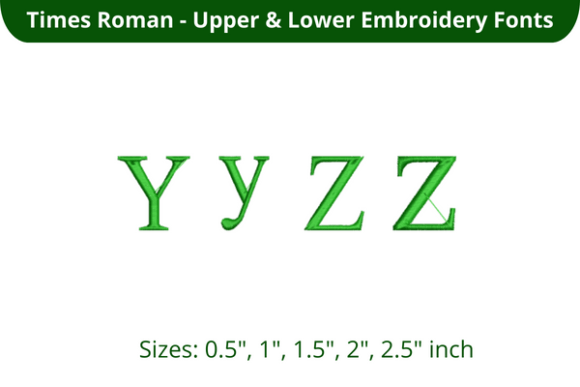
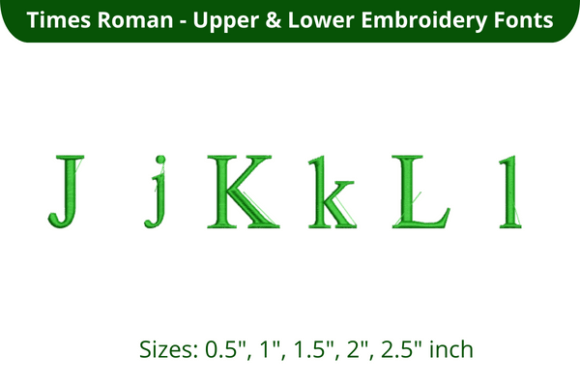
Times Roman Font 0-9 is a refined, high-quality embroidery font designed specifically for precision stitching on fabric. Unlike generic digital typefaces, this font has been digitized with embroidery in mind—each numeral and letter features balanced stitch density, smooth curves, and optimized jump-thread management to ensure clean, legible results across a wide range of fabrics and machines. It’s not just a set of letters and numbers; it’s a purpose-built tool for personalization that bridges typography and textile craftsmanship.
For crafters, small-business embroiderers, and DIY enthusiasts, finding a reliable, machine-ready font that delivers consistent, professional outcomes can be surprisingly difficult. Many free or low-cost fonts either lack proper underlay, produce excessive thread breaks on delicate materials, or fail to scale well below 1 inch in height. Others don’t include all essential file formats—or worse, omit numerals entirely. These gaps create real workflow friction: wasted stabilizer, rehooping delays, inconsistent sizing between name and date elements, and last-minute design swaps that derail deadlines. That’s where Times Roman Font 0-9 stands out—not as a novelty, but as a practical solution engineered for reliability.
This embroidery font excels in scenarios where clarity, tradition, and timelessness matter. Think monogrammed baby blankets, anniversary handkerchiefs, custom graduation caps, or personalized towels for boutique hotel suites. Because it’s rooted in the classic proportions of Times Roman—the same serif family used in respected publications and formal documents—it conveys elegance without ornamentation. The “0–9” designation signals something important: full numeric support, carefully spaced and weighted to match the letterforms. Whether you’re stitching “Emma • 2025”, “Est. 1987”, or “John & Sarah • June 12”, the alignment feels intentional, not patched together from mismatched sources.
Practically speaking, Times Roman Font 0-9 comes ready to use across major embroidery platforms. You’ll receive files in PES, DST, EXP, JEF, VIP, and XXX formats—covering Brother, Bernina, Janome, Husqvarna Viking, and Tajima machines, among others. No conversion needed. No guesswork about stitch order or pull compensation. Each character is pre-digitized with appropriate underlay for medium-weight cotton, linen, and stable knits—and includes recommended settings (e.g., 3 mm height minimum for optimal legibility on terry cloth). That means less testing, fewer test stitches, and faster turnaround—especially valuable when fulfilling custom orders or preparing for craft fairs.
Consider how different users apply Times Roman Font 0-9 based on their goals:
- Home embroiderers appreciate its plug-and-play simplicity. You open your embroidery software, load the desired character, adjust size within safe parameters, and stitch—no need to trace, auto-digitize, or manually tweak tension maps.
- Small-batch apparel brands rely on it for consistent branding across product lines—think matching initials on tote bags and coordinating dates on limited-edition bandanas. The uniform stroke weight ensures visual harmony, even when stitching across varied garment types.
- Quiltmakers and heirloom sewists choose it for labels and inscriptions where longevity matters. Its clean serifs and moderate x-height reduce fraying risk over decades of washing and handling—making it ideal for quilt signatures, memory bears, or archival garment tags.
One often-overlooked benefit? Versatility in composition. Because Times Roman Font 0-9 includes only uppercase letters and numerals (optimized for embroidery legibility), it avoids the spacing inconsistencies common with mixed-case fonts at small sizes. That makes it exceptionally effective for short-form applications: embroidered cufflinks, luggage tags, pet collar ID strips, or even medical scrubs with staff names. And unlike script fonts—which demand precise hooping and stabilized backing—this serif style performs well on moderately stretchy fabrics like piqué or lightweight jersey when paired with light tear-away stabilizer.
To get the best results, keep these considerations in mind:
- Size matters: For most woven fabrics, aim for a minimum height of 2.5–3 mm per character. Below that, fine serifs may not resolve cleanly. For larger applications (e.g., pillow backs or denim jackets), scaling up to 6–8 mm maintains proportion without requiring re-digitizing.
- Fabric pairing: Use cut-away stabilizer for knits and loosely woven linens; tear-away works well for quilting cotton and poplin. Avoid heavy fusible interfacing directly beneath the embroidery—it can stiffen serifs unnaturally and obscure detail.
- Thread choice: Rayon or polyester embroidery thread (40 wt) provides ideal sheen and strength. For heirloom pieces, consider silk thread—but test first, as tension requirements differ.
- Software tip: When building multi-character text (e.g., “AUGUST 2024”), space characters manually using your embroidery software’s alignment tools rather than relying on automatic kerning—embroidery software doesn’t interpret optical spacing the way desktop publishing apps do.
What truly sets Times Roman Font 0-9 apart is how it supports intentionality. In an era of mass-produced personalization—where “custom” often means selecting from preset templates—this font invites thoughtful curation. Choosing Times Roman isn’t about nostalgia alone; it’s about selecting a typographic voice that communicates care, permanence, and quiet confidence. A stitched name isn’t just identification—it’s legacy. A date isn’t just timing—it’s context. A quote isn’t just words—it’s meaning anchored in material form. With Times Roman Font 0-9, those intentions translate cleanly, consistently, and beautifully into thread and fabric.
If you’ve ever hesitated before sending a design to your hoop—wondering whether the “1” will stitch clearly next to the “I”, or whether the period after an initial will vanish into the fabric—then this font answers that uncertainty with quiet authority. It removes guesswork so you can focus on what matters most: the person receiving the piece, the story it carries, and the craft behind every stitch.