3rd Grade Batter Up
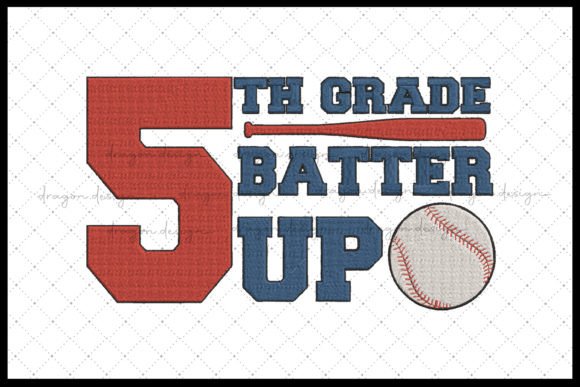
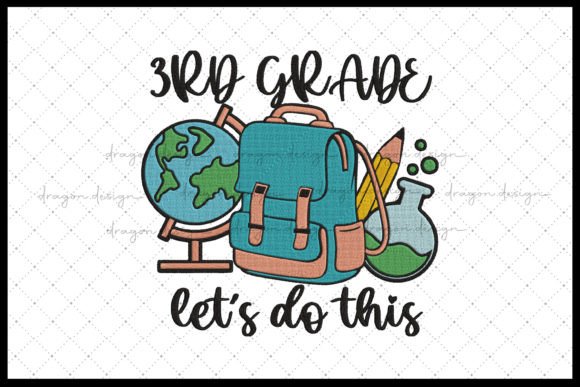
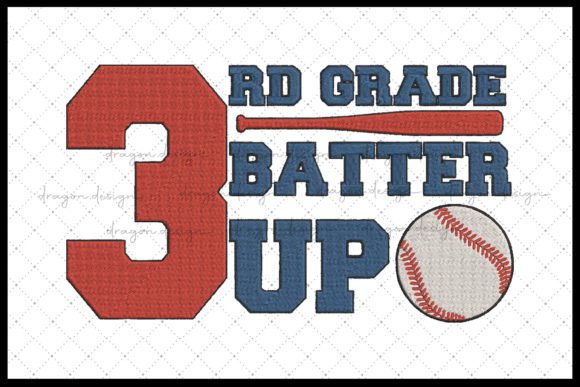
“3rd Grade Batter Up” isn’t just a playful phrase—it’s a ready-to-stitch machine embroidery design crafted for clarity, charm, and real-world utility. At its core, it’s a themed digital motif—bright, legible, and intentionally designed to resonate with children entering a pivotal academic year while offering adults a versatile creative tool. Its strategic value lies not in novelty alone, but in how thoughtfully it integrates into broader goals: brand consistency for small-batch apparel businesses, cohesive classroom identity for educators, or personalized gifting systems for hobbyists and freelancers managing client expectations.
Why This Design Fits Into Intentional Planning—Not Just Decoration
When you choose an embroidery design, you’re making a quiet but consequential decision about tone, audience alignment, and long-term usability. 3rd Grade Batter Up stands out because it bridges developmental milestones (the confidence and curiosity of third grade) with practical execution (clean vector-based stitching, scalable proportions, and balanced negative space). That duality matters. A teacher embroidering backpacks for her students isn’t just adding flair—she’s reinforcing belonging. A boutique owner stitching tote bags for back-to-school season isn’t just filling inventory—she’s signaling seasonal relevance and emotional resonance. In both cases, 3rd Grade Batter Up functions as a precision tool—not filler, not trend-chasing, but a deliberate component of communication strategy.
How Format Flexibility Supports Operational Realism
This design ships in multiple embroidery file formats—including PES, DST, EXP, JEF, and VP3—so it works across Brother, Janome, Bernina, Husqvarna Viking, and Baby Lock machines without conversion risk or quality loss. That technical detail isn’t incidental. It reflects operational awareness: small business owners rarely have time for trial-and-error digitizing; educators often share machines across departments; freelance embroiderers juggle client hardware constraints. Supporting those realities means fewer dropped orders, fewer rework cycles, and more predictable output. If your workflow includes outsourcing digitizing or coordinating with local embroidery shops, having native-format compatibility reduces friction—and protects margins.
Where It Adds Value Beyond the Hoop
Think beyond the stitch. 3rd Grade Batter Up gains strategic weight when embedded in larger systems:
- Branding cohesion: Use it consistently on student welcome kits, classroom banners, and parent newsletters—not as decoration, but as a visual anchor that signals continuity and care.
- Product differentiation: For makers selling custom school gear, pairing this design with high-thread-count cotton twill or organic canvas creates perceived value. The design doesn’t shout—it invites recognition and trust.
- Time-bound relevance: Back-to-school projects have narrow windows. Having a polished, tested design like 3rd Grade Batter Up eliminates weeks of concepting, mockups, and revision—freeing capacity for customer outreach, packaging refinement, or fulfillment planning.
- Educational scaffolding: Teachers use it not only on clothing but also on learning tools—stitched onto felt storyboards, vocabulary cards, or behavior charts. Here, the design supports pedagogy: familiar iconography lowers cognitive load, helping students focus on content, not decoding.
When Not to Reach for It—And What to Assess First
Even strong tools misfire without context. Before deploying 3rd Grade Batter Up, ask three questions:
- Does it serve a defined outcome? If you’re embroidering for a third-grade baseball team, yes—it reinforces identity and effort. If you’re building a neutral, minimalist home decor line, it may dilute positioning. Match the motif to purpose, not impulse.
- Is the audience aligned? Third grade carries cultural weight: in some communities, it marks the shift from learning to read to reading to learn; in others, it’s tied to standardized testing or social development. Understand what “third grade” signifies for your end user before assuming universal appeal.
- What’s your scalability threshold? This design works cleanly at 3–4 inches wide. Smaller than 2.5 inches risks thread density issues; larger than 5.5 inches may require stabilizer adjustments or multi-hooping. Know your machine’s limits—and your own tolerance for troubleshooting mid-project—before scaling up.
Practical Integration: From File to Finished Piece
Start with stability—not speed. Use medium-weight cutaway stabilizer for woven fabrics like denim or twill; switch to tear-away for knits or lightweight cotton. Hoop fabric taut but not drum-tight—excess tension warps registration, especially around curved letterforms in “Batter Up.” When placing the design, consider wear patterns: center chest placement holds up better over time than lower-back positions on backpacks or jackets. And always run a test stitch on scrap fabric using your exact thread, needle, and stabilizer combo. That 90-second step prevents hours of unpicking.
For educators and homeschoolers: layer meaning by pairing the design with functional items—a stitched pencil case paired with a note about “swinging for the fences in math,” or a lunchbox tag with a subtle baseball-stitch border. The design becomes part of a narrative system, not isolated decoration.
Risks of Context-Free Use
Using 3rd Grade Batter Up without grounding it in goals introduces quiet costs. Embroidery is labor- and material-intensive. A misplaced or mismatched design can erode brand perception faster than it builds it—especially if repeated across platforms (e.g., stitched apparel alongside mismatched social media visuals). Worse, overuse without variation breeds visual fatigue. One school used it identically on every item—from water bottles to name tags—for three years. Enrollment materials began to feel repetitive, not reassuring. Their fix? They kept the design but rotated supporting elements: alternating fonts in printed handouts, varying thread colors by season, or integrating it into a broader “Grade Journey” series (with companion designs for 4th and 5th grade). Intentionality, not repetition, created continuity.
Long-Term Positioning: Beyond the School Year
Third grade is a milestone—but your use of 3rd Grade Batter Up doesn’t need to be time-bound. Consider repurposing it horizontally: adapt the baseball motif into a “teamwork” theme for corporate training kits; reinterpret “Batter Up” as a call-to-action for literacy nonprofits (“Batter Up for Books”); or combine it with editable text fields to create customizable teacher appreciation gifts. The design’s clean lines and open spacing make those adaptations technically feasible—not just conceptually possible.
That flexibility supports longevity. A small embroidery studio in Ohio licensed the design for local school partnerships, then expanded into after-school program branding—using the same files, same thread palette, but different layout rules. Their clients recognized consistency without monotony. That’s strategic reuse: leveraging one asset across adjacent needs, reducing creative overhead while deepening market presence.
Making It Work for Your Workflow—Not Against It
Don’t treat 3rd Grade Batter Up as a standalone solution. Treat it as a node in your system: connect it to your inventory tracker, tag it in your design library with usage notes (“best on twill, avoid fleece”), and log results—what size sold most? Which color combos reduced returns? Over time, those observations shape smarter decisions: when to reorder thread, which schools respond to early-bird offers, how to sequence production runs to minimize machine downtime.
For freelancers quoting embroidery work: build the cost of file prep, hooping time, and thread changes into your rate—not as line items, but as reflected in your per-piece pricing. Clients rarely understand the hidden labor of perfect registration. Your pricing should honor that reality.
Ultimately, 3rd Grade Batter Up earns its place not because it’s cute or timely—but because it behaves reliably, communicates clearly, and adapts without breaking. That’s the mark of a truly useful creative asset: one that serves your goals, respects your time, and grows with your practice—season after season.