Tropic Berry Font 0–9: A Premium Embroidery Font for Personalized Fabric Designs
Whether you're stitching monogrammed baby blankets, customizing team uniforms, or adding elegant dates to heirloom quilts, the right embroidery font makes all the difference. The Tropic Berry Font 0–9 is a high-quality, digitized machine embroidery font designed specifically for clarity, consistency, and charm across fabric surfaces. Unlike generic fonts that distort at small sizes or struggle with thread tension, Tropic Berry delivers crisp, well-spaced characters—including numerals 0 through 9—that maintain legibility even at 1.5 inches tall. In this guide, we’ll explore what sets this font apart, how it empowers creative projects, and why it’s become a trusted tool for hobbyists and small-batch entrepreneurs alike.
What Is the Tropic Berry Font 0–9?
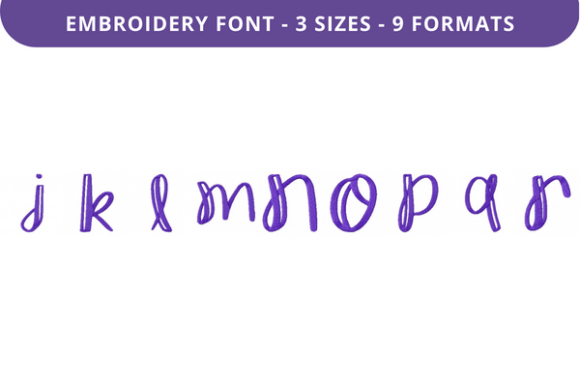
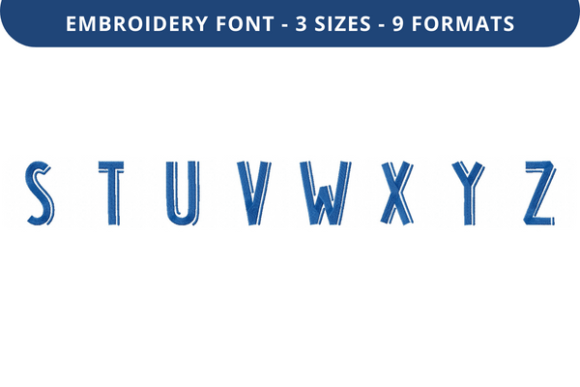
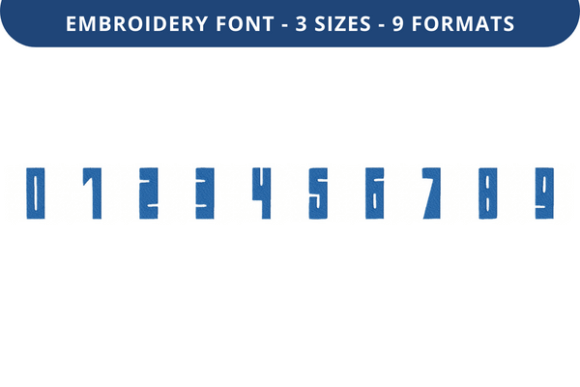
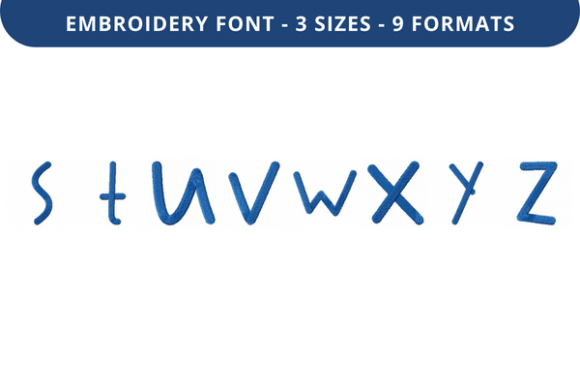
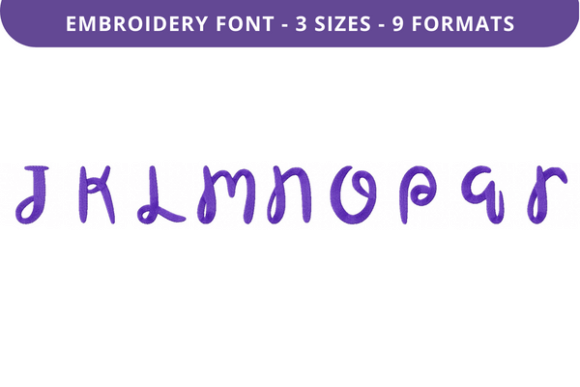
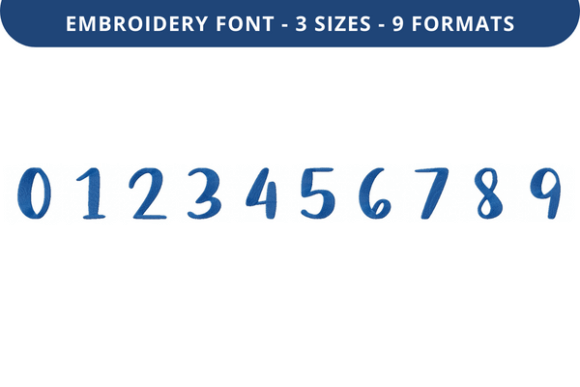
The Tropic Berry Font 0–9 is not a standard digital typeface—it’s a machine embroidery design collection optimized for stitch-based output. Each character (A–Z, 0–9, and common punctuation) is individually digitized by professional embroidery designers to ensure smooth satin-stitched outlines, balanced underlay, and minimal jump stitches. This means every “3”, “7”, or “9” is built to sew cleanly on cotton, linen, denim, and even lightweight knits—without puckering, thread breaks, or misaligned letterforms.
Unlike TrueType or OpenType fonts used on computers, embroidery fonts like Tropic Berry are stitch files, not scalable vectors. That’s why file format compatibility matters—and why this collection stands out.
Why File Format Flexibility Matters
One of the most practical strengths of the Tropic Berry Font 0–9 is its inclusion of multiple embroidery file formats. You’ll receive each character in widely supported formats including:
- PES — For Brother, Baby Lock, and other Bernina-compatible machines
- DST — Universal format accepted by Tajima, Barudan, and commercial multi-head systems
- JEF — Optimized for Janome and New Home machines
- VIP — Compatible with Husqvarna Viking and Pfaff machines
- EXP — Supported by Melco and older Bernina models
This cross-platform support eliminates guesswork—whether you’re using a $200 home embroidery unit or a $10,000 industrial setup. No need for third-party conversion tools (which often degrade stitch quality). Just load, select, and embroider.
Real-World Uses: From Keepsakes to Commerce
The versatility of Tropic Berry shines in everyday applications. Here’s how crafters, educators, and small businesses use it effectively:
Personalized Gifting & Keepsakes
Imagine embroidering a child’s name and birthdate onto a soft muslin swaddle—using Tropic Berry’s rounded, friendly numerals for the year “2024”. Its gentle curves and open counters prevent thread crowding, making it ideal for delicate fabrics. Similarly, stitching a meaningful quote (“Joy lives here”) onto a linen pillowcase benefits from the font’s consistent baseline alignment and generous letter spacing.
Small Business Branding
Home-based apparel decorators use Tropic Berry to add subtle branding—like a boutique’s initials and founding year (“Luna & Co. • 2021”)—onto tote bags or aprons. Because each numeral is pre-digitized with uniform height and width, scaling a full name + date combo remains predictable. No manual resizing or re-digitizing required.
Educational & Therapeutic Settings
In occupational therapy or special education classrooms, embroidery fonts support fine motor skill development. Students practice sequencing letters and numbers while creating tangible, pride-worthy items—like embroidered name tags for cubbies or classroom calendars. Tropic Berry’s clear numeral forms (especially the distinguishable “0” vs. “O” and “1” vs. “l”) reduce visual confusion for early learners.
Debunking Common Embroidery Font Myths
Many beginners assume all embroidery fonts behave the same—or that any decorative font will translate seamlessly to fabric. Here’s what’s actually true:
- Myth: “If it looks good on screen, it’ll sew well.”
Truth: Screen rendering ignores thread density, needle penetration, and fabric stretch. Tropic Berry is tested on real fabric—not just simulated previews. - Myth: “Free fonts are just as reliable as paid ones.”
Truth: Free embroidery fonts often lack proper underlay, cause excessive trims, or skip essential stabilizer recommendations. Tropic Berry includes detailed usage notes and recommended stabilizer pairings for 8+ fabric types. - Myth: “You can resize any embroidery font without consequences.”
Truth: Resizing beyond ±15% risks stitch distortion. Tropic Berry offers three pre-sized variants (small/medium/large), so you choose the right scale—not force one.
How Tropic Berry Fits Into Modern Creative Workflows
In today’s hybrid creative economy—where makers sell via Etsy, teach via YouTube, and collaborate remotely—the reliability of a font like Tropic Berry supports scalability and professionalism. Consider these workflow advantages:
- Time Savings: Instead of manually spacing letters or adjusting kerning in embroidery software, users insert pre-aligned characters. A 12-character name + date takes under 90 seconds to assemble.
- Consistency Across Projects: Whether embroidering 50 graduation caps or 200 wedding napkins, every “5” and “9” matches exactly—no operator variance.
- Client Confidence: When offering personalization services, showing clients actual stitched samples (not just digital mockups) builds trust. Tropic Berry’s real-world performance makes those samples shine.
Getting Started: Tips for Best Results
To maximize your Tropic Berry experience, keep these best practices in mind:
- Stabilize wisely: Use tear-away for stable wovens (cotton, linen); cut-away for knits or stretchy fabrics; and wash-away for lace or sheer overlays.
- Test first: Always run a test stitch on scrap fabric—even with pre-digitized fonts. Thread color, needle size, and machine calibration affect final appearance.
- Mind the hoop size: Tropic Berry’s medium-size numerals fit comfortably within a 4×4 inch hoop. For longer names or phrases, plan layout in your embroidery software before hooping.
- Pair thoughtfully: Combine Tropic Berry numerals with complementary script or block fonts—but avoid mixing more than two type styles per design to preserve visual harmony.
Why Choose Quality Over Convenience?
In a world of instant downloads and AI-generated designs, investing in professionally digitized embroidery fonts reflects a commitment to craftsmanship. Tropic Berry isn’t just about aesthetics—it’s about predictability, repeatability, and respect for the medium. Every “0” is engineered to close seamlessly. Every “9” has a reinforced loop to prevent thread pull-through. And every file includes metadata (stitch count, estimated time, thread color suggestions) so you know exactly what to expect before the needle drops.
That level of attention transforms embroidery from a craft into a confident, repeatable skill—whether you’re stitching your first sampler or fulfilling your 500th custom order.
Final Thoughts: More Than Just Numbers
The Tropic Berry Font 0–9 reminds us that even the smallest elements—like a single numeral—carry weight in creative expression. It bridges tradition and technology: honoring hand-stitched heritage while leveraging modern machine precision. Whether you’re marking milestones, building a brand, or simply delighting a loved one with something handmade, this font helps you say it clearly, beautifully, and authentically.
Ready to bring your fabric stories to life? Explore the full Tropic Berry collection—including uppercase, lowercase, and specialty symbols—to discover how one thoughtful font can elevate dozens of projects. Download your set today and start stitching with confidence.