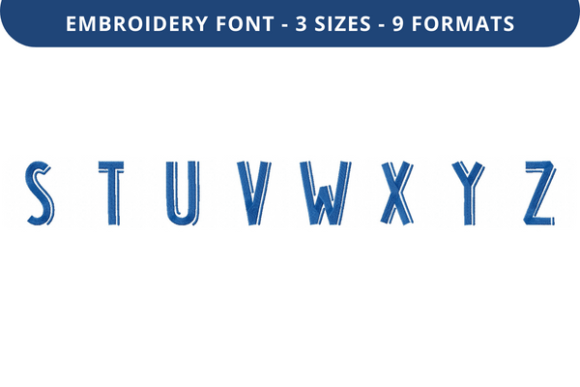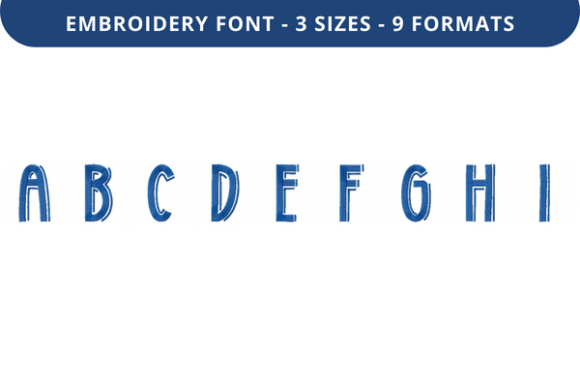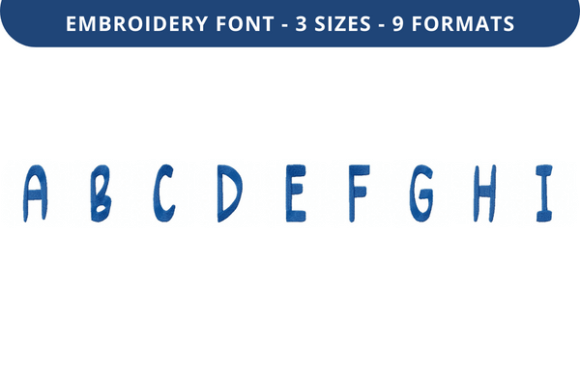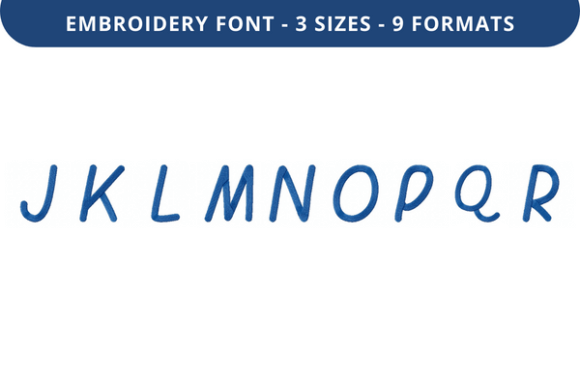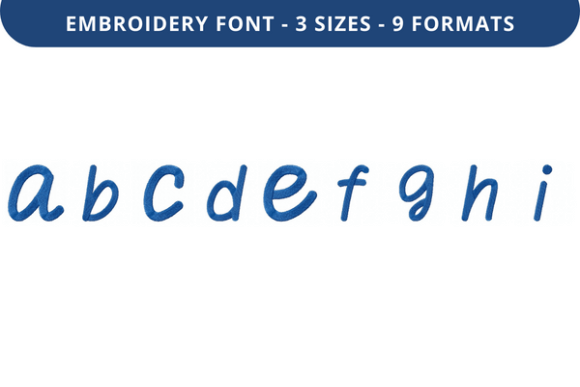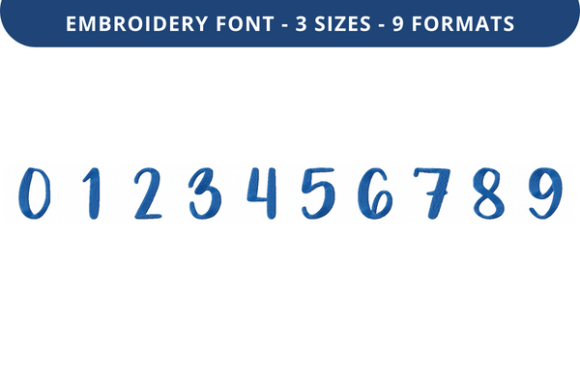
Like You a Lot Font 0 to 9
Personalization isn’t just a trend—it’s become an expectation. Whether you’re stitching a child’s name onto a custom onesie, embroidering a wedding date on linen napkins, or adding a meaningful quote to a tote bag for a small business launch, the right font makes all the difference. Like You a Lot Font 0 to 9 meets that need with quiet precision: it’s a high-quality embroidery font designed specifically for clarity, consistency, and charm across fabric surfaces.
What Makes This Font Stand Out in Real-World Use
This isn’t a decorative script meant for display only—it’s engineered for function. Every numeral from 0 to 9 and every letter in its companion set is digitized with balanced stitch density, smooth transitions, and stable underlay. That means fewer thread breaks, cleaner edges on lightweight cotton or textured denim, and reliable results whether you’re running a single piece or batching 50 monogrammed towels.
Unlike many free or generic embroidery fonts, Like You a Lot Font 0 to 9 avoids exaggerated loops or overly tight curves that struggle at small sizes. Its medium-weight structure holds up well at ¾ inch tall—ideal for cuff labels, baby bibs, or garment tags—while scaling cleanly to 3 inches for statement pieces like throw pillows or wall hangings.
Why Embroidery Fonts Are Gaining Ground—Beyond Hobbyist Niche
Machine embroidery has moved far beyond craft fairs and home sewing rooms. Small apparel brands use it for limited-run branding on organic tees. Educators personalize classroom supplies without relying on vinyl cutters. Wedding planners commission coordinated linens with guest names or ceremony dates. Even corporate gifting teams choose embroidered items over printed ones for their tactile authenticity and longevity.
That shift reflects broader habits: people increasingly value objects with intention behind them—not just what they say, but how they’re made. A stitched name carries more weight than a printed one because it signals time, care, and material awareness. And as digital tools lower entry barriers (more intuitive software, affordable multi-needle machines), demand for fonts that behave well across devices—and across fabrics—is rising.
Compatibility That Fits How People Actually Work
No one wants to juggle converters or hunt down format-specific versions. Like You a Lot Font 0 to 9 ships with native files for industry-standard formats: PES, DST, JEF, VP3, EXP, and XXX. That means seamless use with Brother, Janome, Bernina, Husqvarna Viking, and Baby Lock machines—no guesswork, no re-digitizing, no last-minute troubleshooting before a client deadline.
It also means flexibility for professionals who switch between projects. One day you might be digitizing a boutique logo for a boutique t-shirt line; the next, stitching graduation year numbers onto caps for a school fundraiser. The same font works across those contexts—not because it’s flashy, but because its proportions, spacing, and stitch logic are built for adaptability.
Practical Tips for Getting the Most From This Font
Start simple. Try stitching “2024” on a cotton tea towel using medium-weight stabilizer—notice how evenly the numerals sit, how little puckering occurs, and how legible the result stays after washing. Then layer in personalization: add a first name above the date, or tuck a short phrase like “made with love” beneath it. Because Like You a Lot Font 0 to 9 includes consistent baseline alignment and uniform character width, mixing elements feels intuitive—not like solving a layout puzzle.
For businesses: consider pairing this font with minimalist icon sets. A tiny heart or leaf beside a name adds warmth without clutter. For educators or camp directors: use the numerals to label storage bins (“Bin 7”, “Group 3”)—clear, durable, and easy to read across a busy room.
And if you're new to embroidery digitizing: this font removes one common pain point—guessing at spacing or adjusting kerning manually. Its built-in spacing is optimized for readability at common sizes, so you spend less time tweaking and more time creating.
How It Fits Into Evolving Creative Workflows
Creative professionals today rarely rely on just one tool or technique. A freelance designer might illustrate a pattern in Procreate, vectorize it in Illustrator, then stitch part of it using machine embroidery. An entrepreneur launching a lifestyle brand may shoot product photos, write Instagram captions, *and* stitch batch labels—all in the same afternoon.
In that context, fonts like Like You a Lot Font 0 to 9 serve as connective tissue. They bridge digital design and physical output without requiring deep technical embroidery knowledge. You don’t need to understand satin stitch angles or pull compensation to get good results—you just need a font that’s been tested across real machines and real fabrics.
That reliability matters when time is tight. When a client asks for a rush order of 20 personalized aprons before a cooking class, you can focus on layout and color matching—not whether the “8” will collapse mid-stitch.
Not Just for Names and Dates—A Tool for Meaningful Detail
Think beyond labels. Use the numerals to mark milestones: “1st Day of Kindergarten”, “5 Years Sober”, “Est. 2019”. Pair them with handwritten-style fonts for contrast—or keep it clean and let the numbers carry quiet significance. On baby blankets, “0–3 mos” stitched simply in one corner gives caregivers instant, wash-safe guidance. On reusable produce bags, “Tomatoes”, “Apples”, and “Herbs” stay legible season after season.
The font’s gentle rhythm—neither too rigid nor too playful—makes it versatile across audiences. It reads as warm but not childish, modern but not cold, classic but not dated. That neutrality is rare, and valuable: it lets your message, not the typeface, take center stage.
Realistic Expectations, Real Results
This isn’t magic—it’s thoughtful digitization. Fabric choice still matters. A loosely woven burlap will require different stabilizer than a tightly knit pique. Very small sizes (under ½ inch) may benefit from slight manual adjustment depending on your machine’s tension settings. But within typical use cases—cotton, linen, twill, medium-weight fleece—the font delivers predictably.
And because it’s designed for embroidery, not screen display, it avoids optical illusions that plague converted TrueType fonts: no unintended gaps, no floating stems, no inconsistent fill density between “0” and “9”. What you see in your editing software is what stitches out—reliably.
Where Personalization Is Headed Next
Looking ahead, personalization won’t mean more complexity—it’ll mean more intentionality. Consumers are becoming more selective about what they personalize, and why. A stitched number isn’t just decoration; it’s a marker of identity, memory, or commitment. That’s why fonts built for legibility, longevity, and emotional resonance—like Like You a Lot Font 0 to 9—are quietly becoming essential infrastructure for makers, brands, and educators alike.
It’s not about chasing novelty. It’s about having a trusted tool that works—today, on your current machine, with the fabric you have on hand—so you can focus on what matters most: the person receiving the finished piece, and the meaning stitched into it.